



CBD Export Licensing: What the Application Process Actually Involves
The goods are ready. The buyer has signed. Then everything stalls at the shipping stage — because for many companies, the first CBD export is also the first time they learn that Cannabidiol cannot simply be declared like ordinary cargo. It requires an export licence.
Under China's control classification, CBD is treated as a precursor chemical. Before shipment, the exporter must apply to the commerce authorities for an export licence and wait for approval. Many assume this is a formality. It is only when they start assembling the file that they realise how strict the review actually is.
At Hempmon (Zhenzhi Hanmeng Pharmaceutical), one of the larger and more technically advanced industrial hemp producers and processors, we have put our own export experience into writing for peers facing the same process.
Why CBD Needs a Licence of Its Own
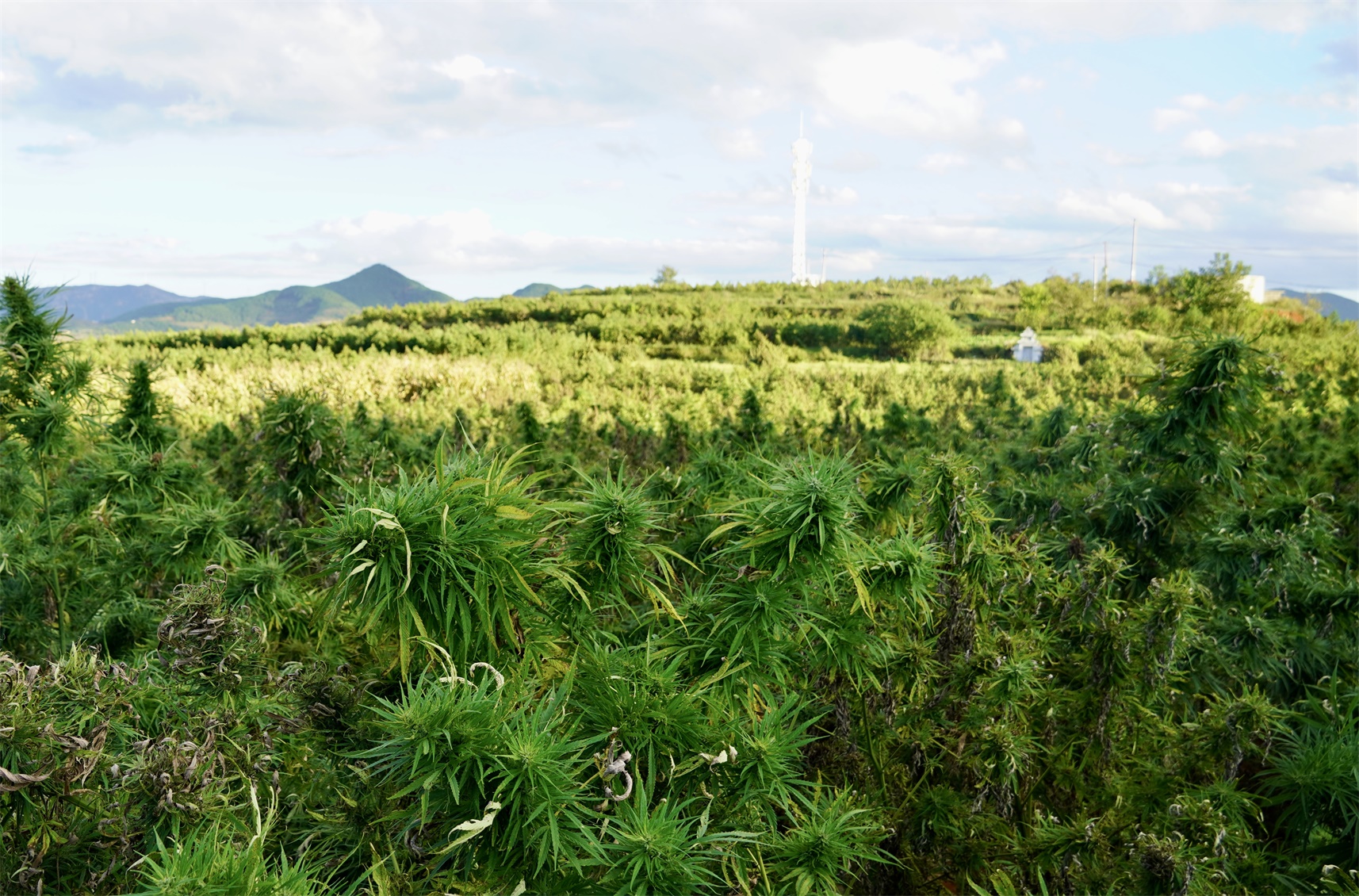
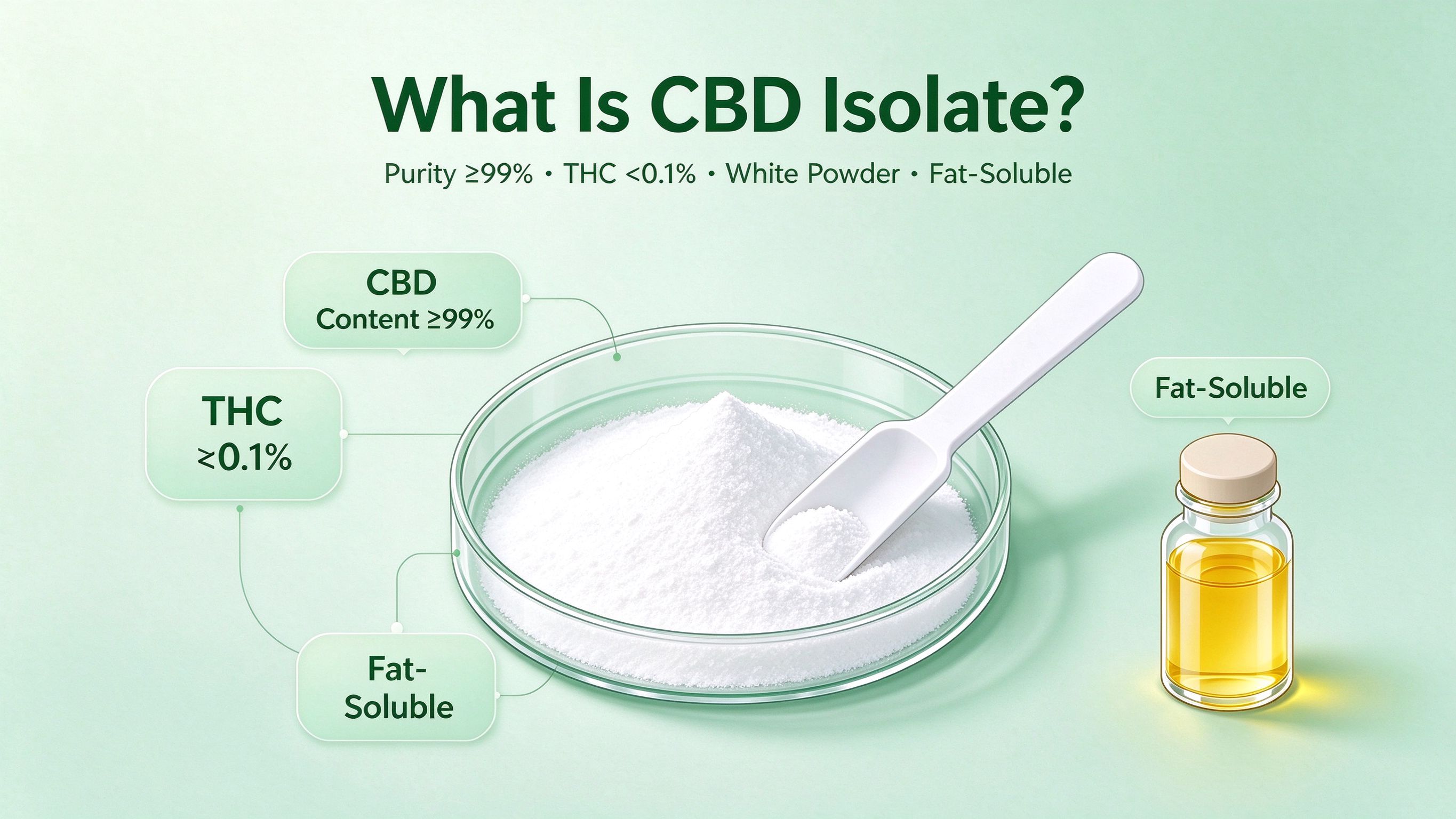
CBD is extracted from industrial hemp. The plant itself is low in THC, but in regulatory terms the extracted material falls under precursor chemicals — which means it cannot move across borders as freely as ordinary goods. A dedicated approval process applies.
Boil the whole application down and it comes to one question the exporter has to answer: who is this shipment going to, what will they do with it, and could it end up somewhere it should not? Every document in the file exists to close the loop on those three points.
The Process in Three Steps
Step one: log in to the filing system. Go to the Ministry of Commerce Business System Unified Platform (emanage.mofcom.gov.cn), insert your electronic key (UKEY), and enter the "Dual-Use Items and Technologies Import and Export Control" application. Sign in as an electronic-key user and enter your PIN (default 1234).
Step two: complete the form online. Within the system, select Precursor Chemicals → Export Licence Application → New Application, then work through the fields and save. Once complete, print the Application Form for the Import/Export of Precursor Chemicals. The legal representative must sign it by hand, the company seal must be applied, and every page edge must carry a straddle seal.
Step three: prepare the documents and submit. Part of the file is uploaded to the system as PDFs; the originals are kept in paper form and sent to the provincial Department of Commerce once the initial review is cleared. After confirming everything online, click "Submit".
The Twelve Documents — and Where They Usually Go Wrong
The official checklist runs to twelve items, and every one has to be accounted for. The ones that most often cause trouble are these:
- Application Form for the Import/Export of Precursor Chemicals — download the PDF from the system, seal and sign it, then scan and upload. The signature must be handwritten; a name stamp does not count.
- Trade contract — in addition to the straddle seal, the selling company must seal each page individually. The contract number, quantity, currency and product name must match the application form and the end-user certificate exactly. A single discrepancy can send the file back for rework.
- Product production statement — issued and sealed by the manufacturer, stating whether the material is plant-derived, whether it comes from legal industrial hemp, and whether the manufacturer holds the required licences.
- Importer's legal-use assurance — where the overseas buyer is not the end user, the buyer must provide a legal-use assurance document in both Chinese and English, with the Chinese version sealed by the selling company.
Then come the use and flow-of-goods documents:
- End-user and end-use certificate — issued by the actual end user, stating quantity and specific application, again in both Chinese and English.
- Certificate of Analysis (COA) — the original Chinese version, uploaded in colour.
- Testing laboratory accreditation (CNAS or CMA) — colour electronic copy plus a paper copy.
The remainder are corporate credentials: business licence copy, precursor chemical production or operation filing certificate, ID cards of the legal representative and the handling officer, and a letter of authorisation for the handling officer (original required).
One rule applies across the board: every document must be an original, carry the company seal, be scanned in colour, and be clear and complete. Any foreign-language document needs a Chinese translation, and that translation must be sealed as well.
The Requirement Most Often Overlooked: A Traceable Chain
Running through the entire file is one expectation — that the movement of the CBD material, from the manufacturer through any intermediary trader to the end user, is fully documented, with verifiable evidence at every step.
This is not box-ticking. Reviewers are checking whether the chain closes. If any link is vague, more documents will be requested and the timeline stretches. It is far better to have the intermediate paperwork in order before submission than to patch it afterwards.
How Long It Takes
- Online document review: approximately 3 working days
- Provincial review of paper originals: approximately 3 working days
- Ministry of Commerce review: in principle, 20 working days
During the Ministry of Commerce review, the Ministry of Public Security also carries out an international verification. That stage has no fixed deadline, so the overall timeline largely hinges on the final review. When planning shipments, leave real buffer for this uncertainty — do not work backwards from a 26-day assumption when committing delivery dates to customers.
Five Pitfalls to Watch For
- All documents must be originals bearing the applicant company's seal. Photocopies are not accepted.
- Any foreign-language document must be accompanied by a Chinese translation, which must also be sealed.
- End-user and end-use certificates must reflect your actual situation. Successful templates from other cases can be used as a reference, but the content must not be copied.
- Scans must be in colour, sharp and complete. Blurred copies will almost certainly be returned.
- The whole chain must be explainable. From manufacturer through any intermediary to the end user, the documents must show who supplied what, to whom, and for what purpose — and every link must reconcile.
In Short
CBD export licensing comes down to one system, one form, twelve documents, two submission channels, and a minimum of about a month. The difficult part has never been filling in the form. It is whether the documents reconcile: contract, application form and end-user certificate aligned down to the detail, and every step of the supply chain documented.
For companies that export regularly, the sensible approach is to keep traceable records, a standard contract template and current testing accreditation ready at all times, rather than assembling a file at the last minute before each shipment. Once the process runs smoothly, delivery timelines become something you can genuinely stand behind with your customers.