




CBG Extract: The "Next-Generation" Cannabinoid Material in Industrial Hemp
In the world of industrial hemp ingredients, CBD has long been the biggest name. But if you've walked the aisles of industry trade shows, browsed raw-material platforms, or followed new product launches over the past two years, you've probably noticed another abbreviation being mentioned more and more often — Cbg. It's often called the "next-generation" cannabinoid material. Where does that label come from? Marketing talk, or is there real industrial logic behind it? Let's unpack it.
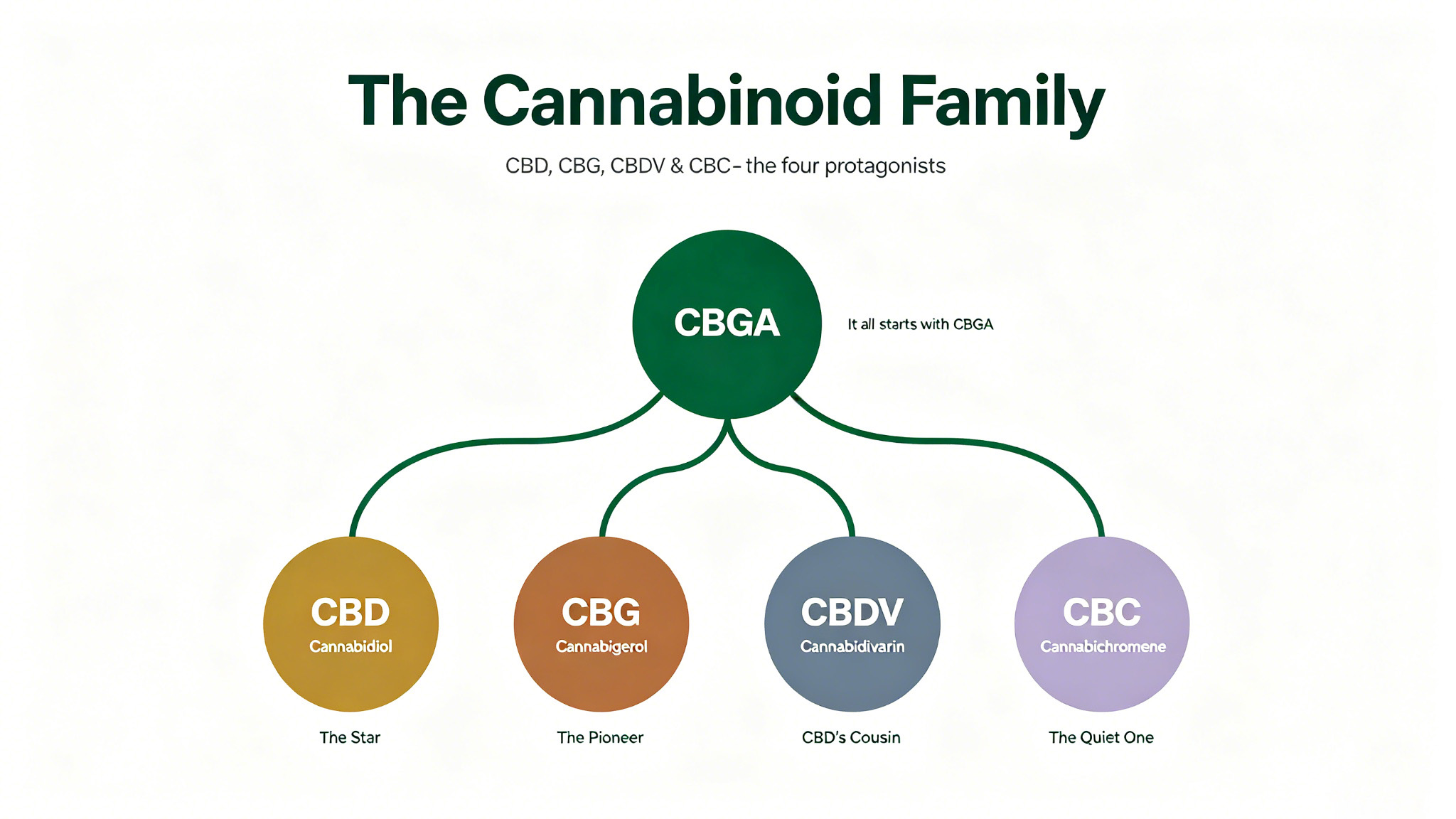
Last time we mapped the family tree of "the cannabinoid family: CBD, CBG, CBDV and CBC" (link at the end of this article). This time we zoom in on CBG alone, from a sourcing perspective.
What Is CBG? Starting with the "Parent" Cannabinoid
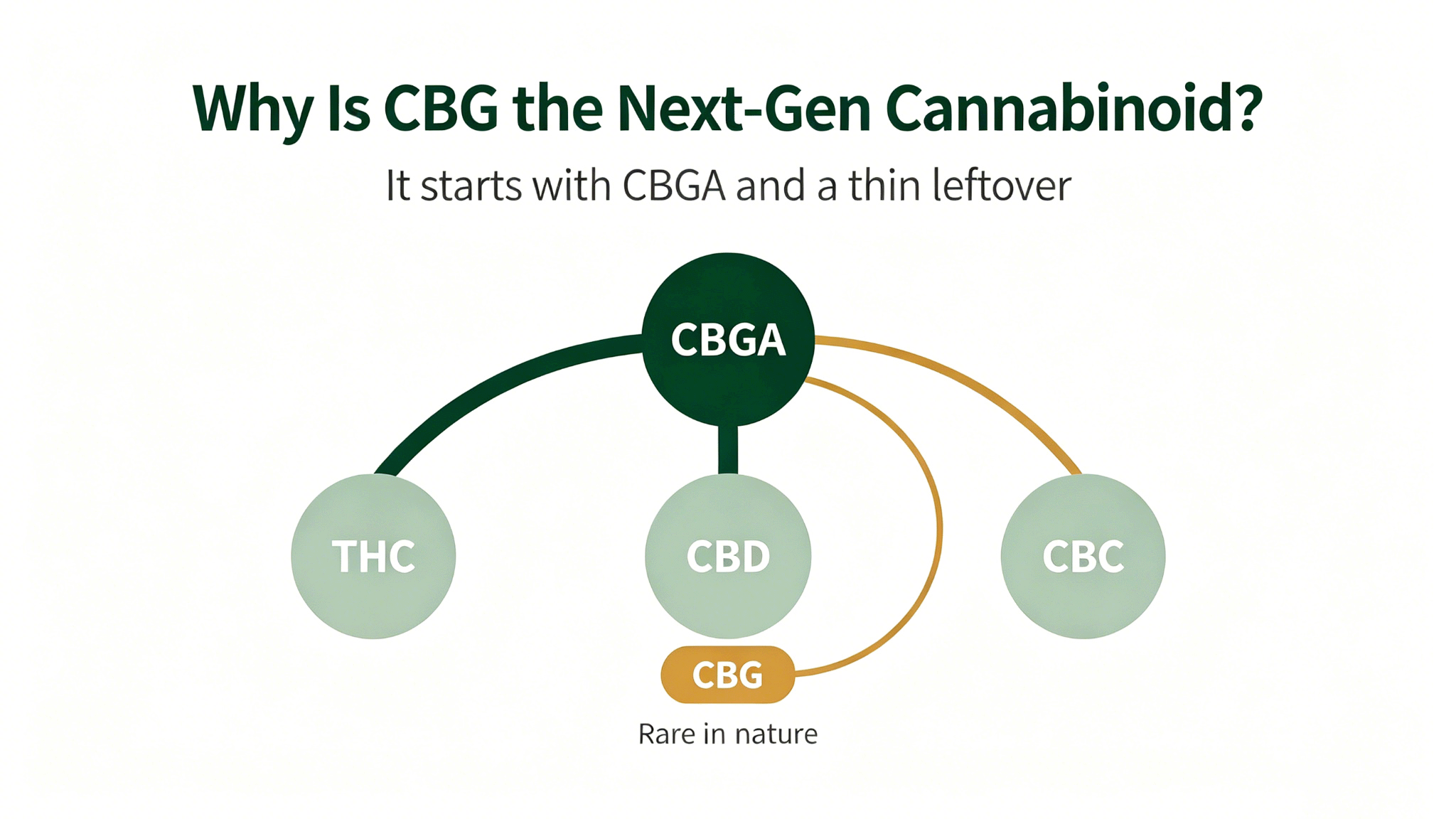
CBG stands for cannabigerol. Its special role is being the common starting point of many cannabinoid synthesis pathways — it is the decarboxylated product of CBGA (cannabigerolic acid).
Think of CBGA as the source of a branching system: once industrial hemp enters flowering, enzymes in the plant channel most of the CBGA into three branches — THCA, CBDA and CBCA. Through drying or heat decarboxylation, these become THC, CBD and CBC respectively. CBG, in turn, is what you get when the CBGA that was never channeled away decarboxylates directly.
That is why CBG occurs naturally at very low levels in ordinary industrial hemp plants — most CBGA has already been allocated during flowering. This is the fundamental reason high-CBG material is scarce: it's not that extraction technology can't do it; the plant simply never produced much of it in the first place.
Why "Next-Generation"?
The industry tags CBG with this label for three main reasons:
Scarcity drives attention. Low natural content means extra work at every stage — breeding, cultivation and extraction — so supply is naturally limited, making CBG a differentiating option for the raw-material side.
Portfolio diversification. As CBD product lines mature, many brands look for minor cannabinoids to enrich their product structures, and CBG is the most discussed among them. This is also related to the "entourage effect" hypothesis often talked about in the industry — minor cannabinoids get attention precisely because the spectrum profile may affect overall performance.
Growing research interest. Public research on CBG has indeed increased in recent years, but most conclusions still come from in vitro or animal-model studies, far from reliable human efficacy evidence. Any claim that "CBG treats disease X" goes beyond current evidence and crosses compliance lines — this holds for every cannabinoid.
The Seed Decides the "Natural Recipe"
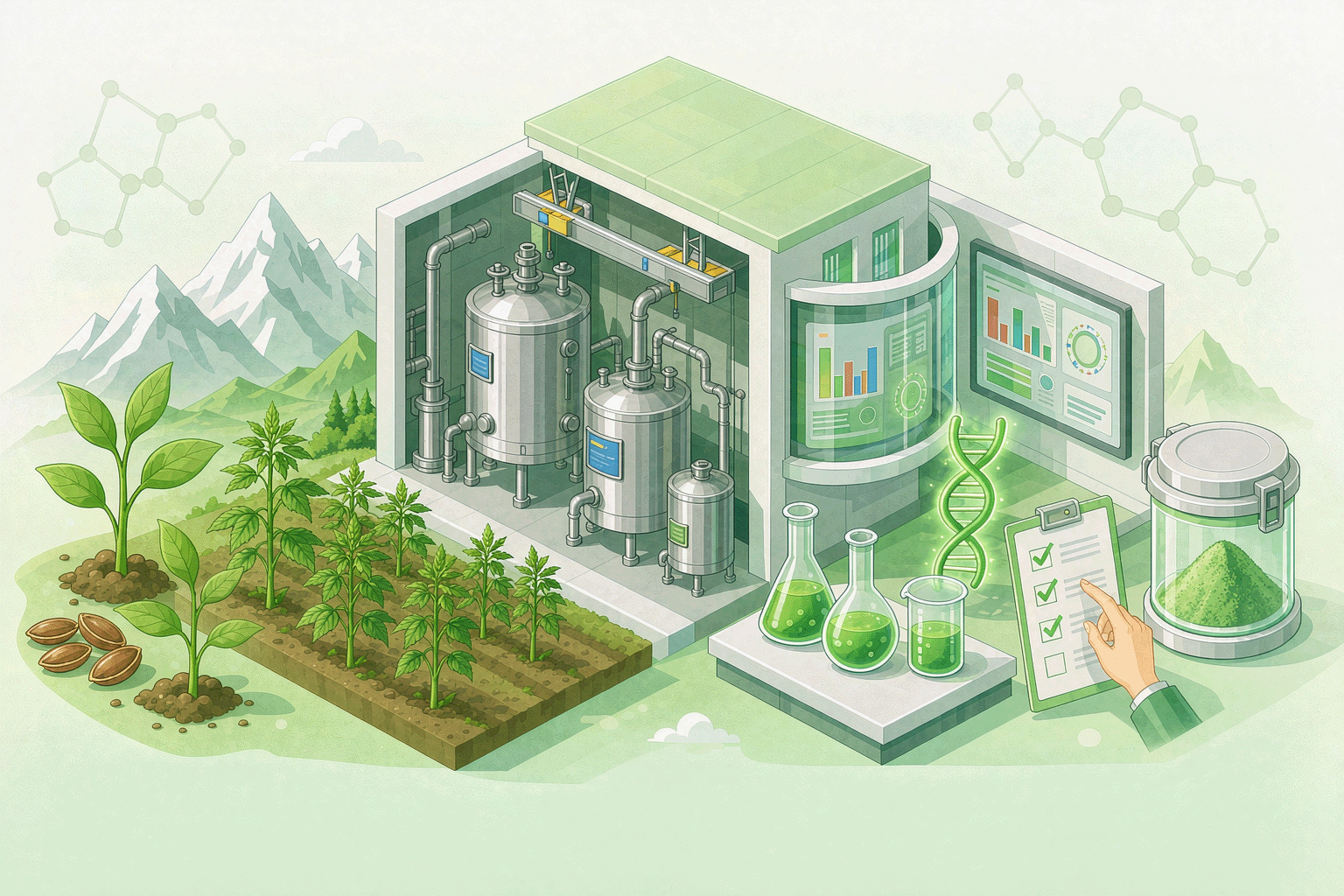
This echoes a point we've made repeatedly in earlier articles: the ratio of cannabinoids is largely decided at the seed.
Chengzhi Hanmeng Pharmaceutical owns proprietary industrial hemp varieties "Hanmeng 1–6" and lists "optimizing the cannabinoid profile from the seed and ensuring raw-material consistency" as a core strength. At a time when the industry is widely discussing how to obtain varieties with high minor-cannabinoid content, the ability to steer composition from the breeding end is exactly what you should probe when evaluating a supplier — because extraction can only take out what the plant already has; it cannot change the plant's natural ratio.
A Buyer's Perspective: Three Practical Questions
If you're evaluating raw material containing CBG or other minor cannabinoids, start with these three questions:
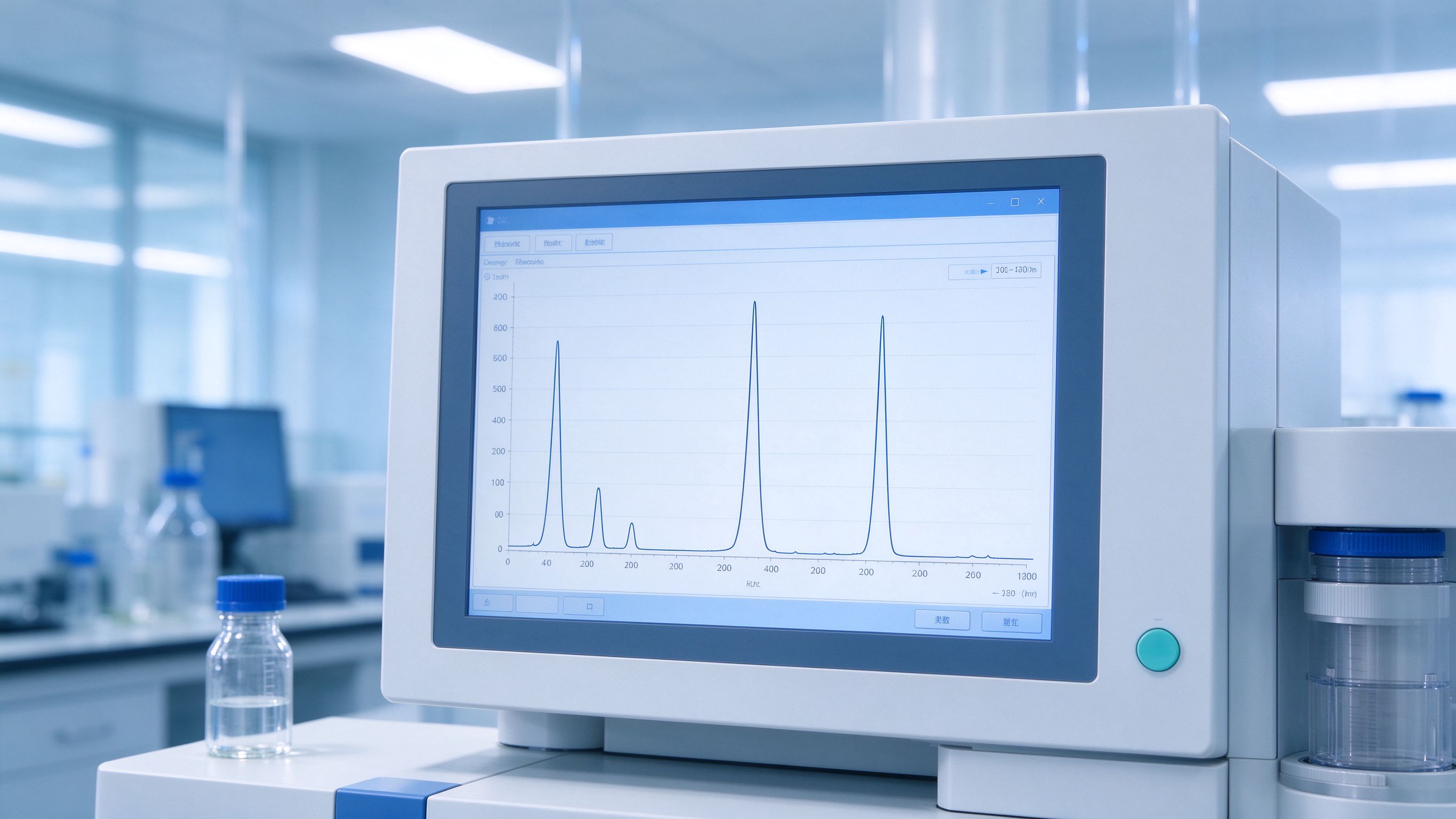
- Read the minor-cannabinoid section of the COA. Whether you're buying full-spectrum, broad-spectrum or isolate material, third-party COAs usually list detected values for minor cannabinoids such as CBG, CBDV and CBC. For full- and broad-spectrum material, these figures are both a reference for ingredient authenticity and a window into batch-to-batch consistency.
- Ask about variety and ratio control. A supplier's breeding system, variety records and cultivation documentation determine how stable the cannabinoid ratio is across batches. A supplier who can explain this clearly usually has more systematic upstream management.
- Define the current product line. Take Chengzhi Hanmeng as an example: the company's product line is CBD-led — standard CBD (≥99% CBD, <0.1% THC), low-THC CBD (<10 ppm THC, for "zero-tolerance" markets) and water-soluble CBD (>10% CBD) — and it also sells CBG material. If your target specification involves CBG, confirm at the inquiry stage what spec, content and quality documents the supplier can actually deliver. Don't let the concept run ahead of the specification.
Regulatory Note
Regulatory approaches to cannabinoid materials differ greatly by country, CBG is treated differently from CBD in some markets, and rules change frequently. Always check the applicable regulations and market-access requirements of your target market before purchasing. This article is not a market-access commitment of any kind.
In Closing
The "next-generation" label reflects an industry trend from single-ingredient toward multi-ingredient. But for buyers, chasing the newest concept matters less than assessing the supplier's systemic capability: how composition is controlled at the seed, how batch consistency is maintained, and how quality documents support compliance. Ask these three questions thoroughly, and the evaluation framework is the same whether you're buying CBD or CBG.
FAQ
What's the difference between CBG and CBD? Both are cannabinoids: CBD comes from decarboxylated CBDA, while CBG comes directly from decarboxylated CBGA. CBD is abundant in plants with mature supply; CBG has low natural content, limited supply, higher cost, and its research is still early.
Why is high-CBG material scarce? Because CBGA is the common precursor of several cannabinoids, most of it is channeled into THCA, CBDA and CBCA during flowering, leaving little natural share for CBG. Getting high-CBG material depends mainly on breeding and cultivation control, not just extraction.
What should I check when sourcing CBG? Ask for third-party COAs and focus on the measured values for CBG, THC and other minor cannabinoids. Also ask about the supplier's varieties, breeding system, batch consistency and deliverable specifications, and check how your target market regulates CBG.
Does CBG have therapeutic effects? Most current research is still at the in vitro and animal-model stage, with limited human efficacy evidence. Be cautious about claims like "CBG treats disease X" — they exceed the evidence and may violate local compliance requirements.