



The Cannabinoid Family: CBD, CBG, CBDV & CBC — Meet the Four Protagonists of Industrial Hemp
Most people only know CBD when it comes to industrial hemp. In reality, more than a hundred plant cannabinoids have been identified in the hemp plant, and CBD is simply the most famous of them. Cbg, CBDV and CBC each have their own place and story. Today we zoom out and walk through the family's four protagonists in one go — they are not four isolated names, but different branches of the same family tree. Once you understand that tree, a lot of sourcing questions become easier to answer.
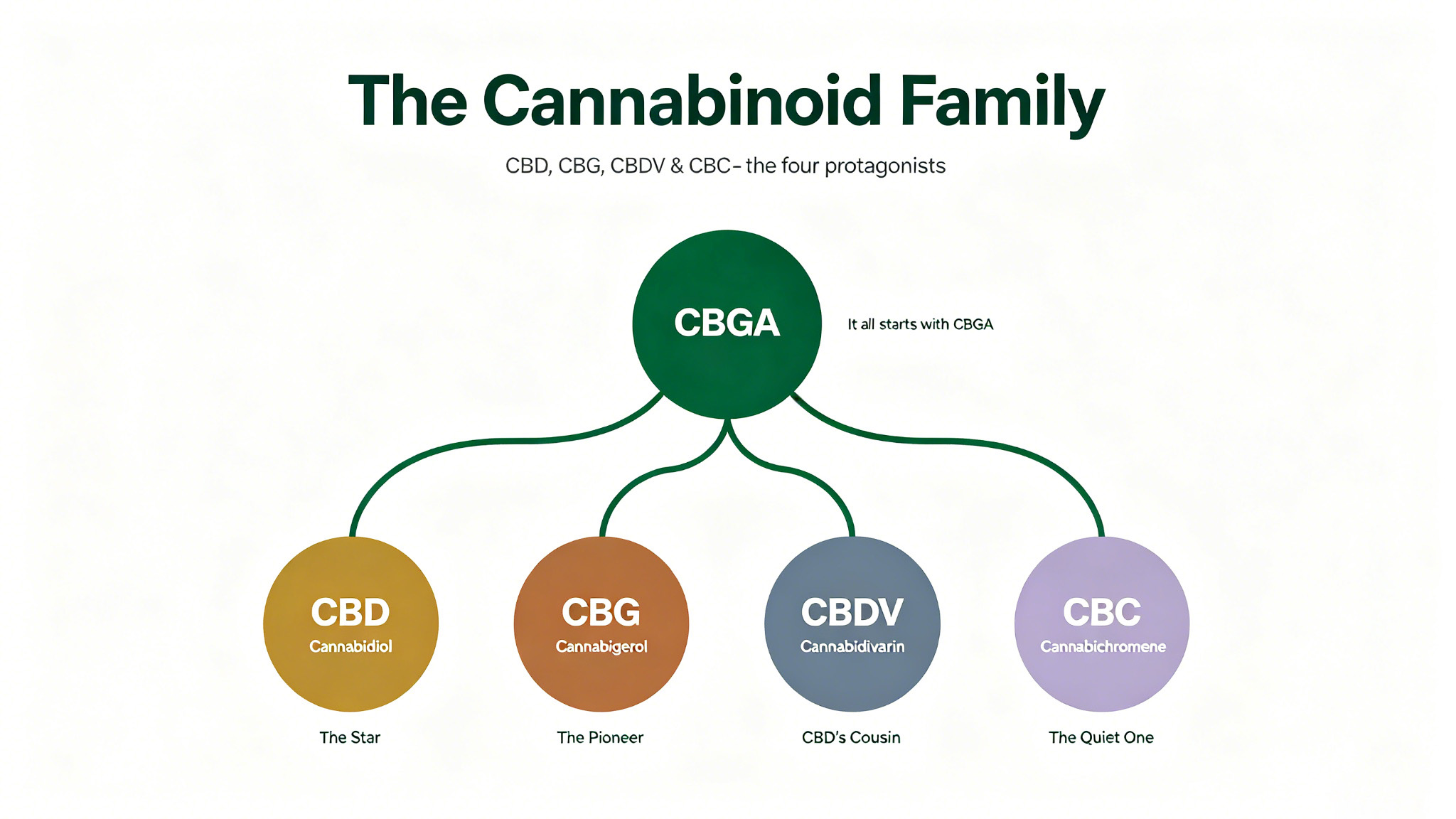
First, the Family Tree: It All Starts with CBGA
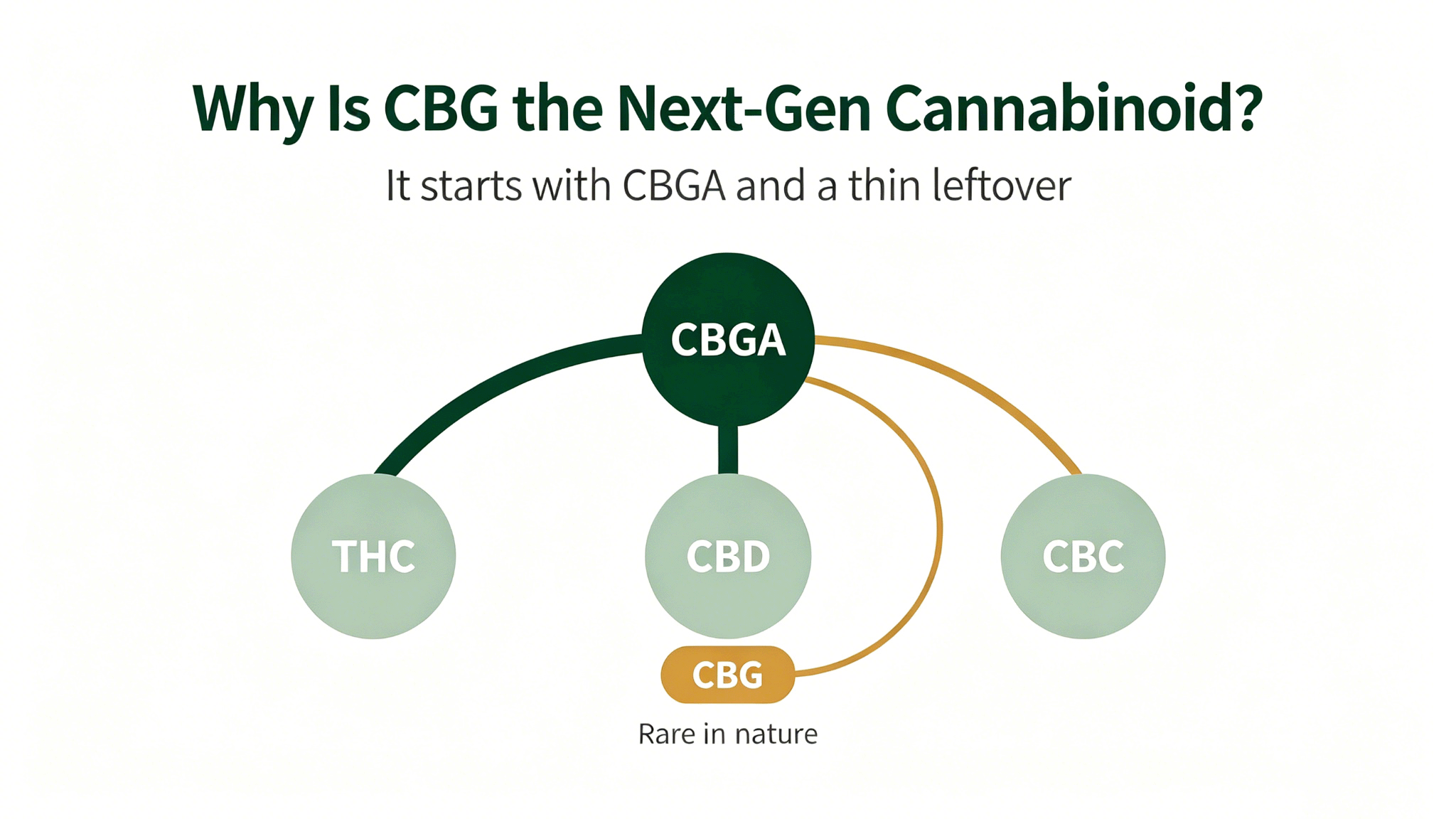
If you drew the cannabinoid family as a family tree, the "grandmother" molecule at the top would be CBGA (cannabigerolic acid). As the plant grows, enzymes channel CBGA into acidic precursors like CBDA, THCA and CBCA; these acidic compounds only become the neutral forms we know — CBD, THC and CBC — after decarboxylation during heating or processing.
There is one detail worth spelling out: CBG is a special case. It is already a neutral cannabinoid, and its precursor CBGA turns directly into CBG through simple decarboxylation — in other words, CBG sits before the "branching" happens. That is why it is often called the "mother cannabinoid": most CBGA has already been channeled by enzymes into the CBDA, THCA and CBCA branches, and not much is left to end up as CBG.
This is why CBG levels in the plant are usually low, and how much remains depends on the variety's enzyme profile and harvest timing. To get more CBG, you either breed varieties whose enzymes favor CBG, or time the harvest carefully. That is the fundamental reason CBG material is scarcer and more expensive than CBD.
The Four Protagonists, Each Different
CBD (Cannabidiol) — the star of the family. It is one of the most abundant cannabinoids in industrial hemp and has no psychoactive effect, which is also why it is the most discussed and most widely used ingredient under regulatory frameworks around the world. Its applications are the broadest — food, cosmetics, wellness products. With the biggest demand, supply and specifications are also the most mature. Take Chengzhi Hempmon Pharmaceutical's product specs as an example: its CBD isolate is ≥99% pure with THC below 0.1%; for markets with zero tolerance for THC, such as Japan and South Korea, the Jp-grade product keeps THC under 10 ppm.
CBG (cannabigerol) — the pioneer, and the fastest riser in attention in recent years. It is the common precursor of several cannabinoids, and in the plant it is often fleeting; natural levels are usually far below CBD, extraction is harder, and it is relatively rare on the market. Scarce supply, plus a growing body of research — early studies looking at anti-inflammatory, antibacterial and skincare directions, for example — have clearly raised CBG's profile over the past few years. For buyers, CBG is still more like a "new track": supply is not as plentiful as CBD, specifications are still being standardized, and it pays to check purity carefully, ask about sourcing, and rely on the COA. A note on our own situation: Chengzhi Hanmeng Pharmaceutical's main product line is CBD, and we also sell CBG material, under the same fully traceable management from planting to finished product.
CBDV (cannabidivarin) — a close cousin of CBD. Its molecular structure is very close to CBD; the difference is just one side chain — CBD carries a pentyl chain, CBDV a propyl chain, and the "V" in its name comes from that propyl series. On the family tree, CBDV follows a separate branch, from its own acidic precursor CBGVA, becoming CBDV after decarboxylation. Like CBD, it is not psychoactive. CBDV is not abundant in most varieties and is far rarer on the market than CBD. In recent years it has drawn attention for early research in neurology — for example, work around epilepsy and autism-spectrum conditions — but these studies are still early and far from conclusive. For buyers, CBDV is a more niche option: fewer suppliers, fewer specifications, higher prices. Before ordering, confirm purity, THC levels and batch traceability, and check how the target market regulates it.
CBC (cannabichromene) — the low-key member of the family. It originates from CBGA like CBD, is produced early in the plant's growth, and its content is low with relatively little research, but it regularly shows up in the cannabinoid profiles of full-spectrum or broad-spectrum extracts. For most buyers, CBC is rarely sourced on its own; it exists more as a "family member" inside full- and broad-spectrum products.
One more note: apart from THC, none of the four is a psychoactive substance. Research on how they interact with the human endocannabinoid system is still ongoing, many conclusions remain to be verified, and specific applications should follow local regulations and professional advice.
Why a "Family View" Matters to Buyers
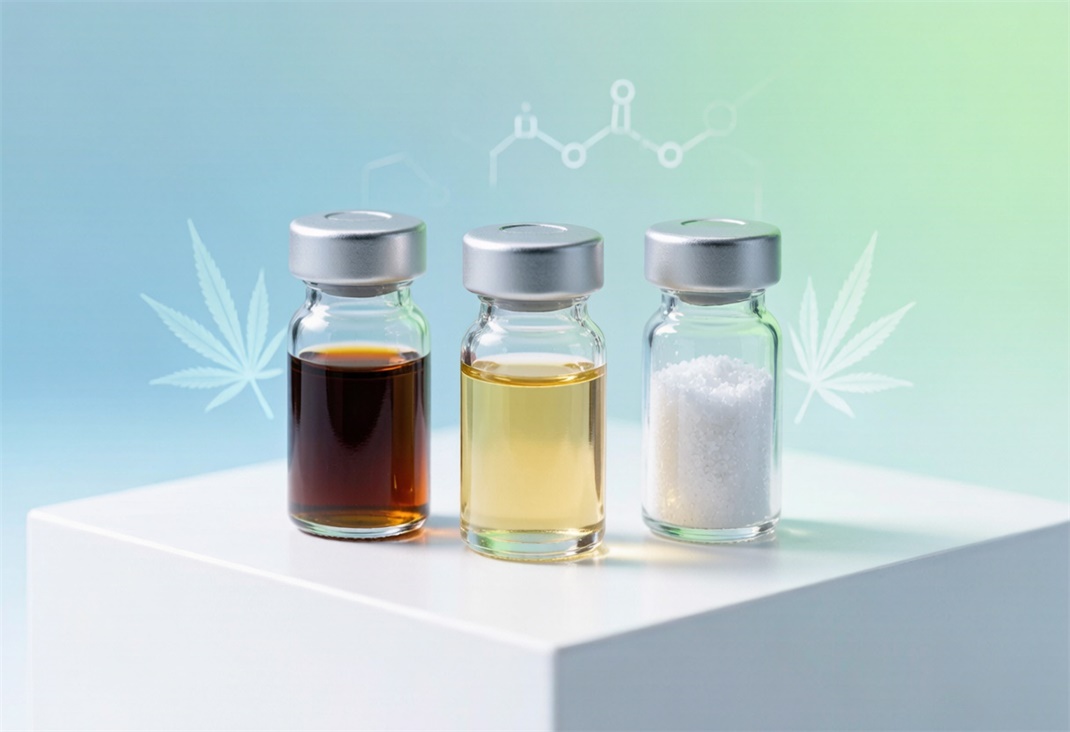
First, it determines which spectrum you need. An isolate contains only the single CBD molecule; broad-spectrum oil keeps multiple cannabinoids but removes THC; full-spectrum retains the complete family, including trace THC. If you want the stability of a single compound, an isolate is the best fit; if you want the completeness of the "family synergy", full or broad spectrum is closer. Different product positioning calls for different spectrums.
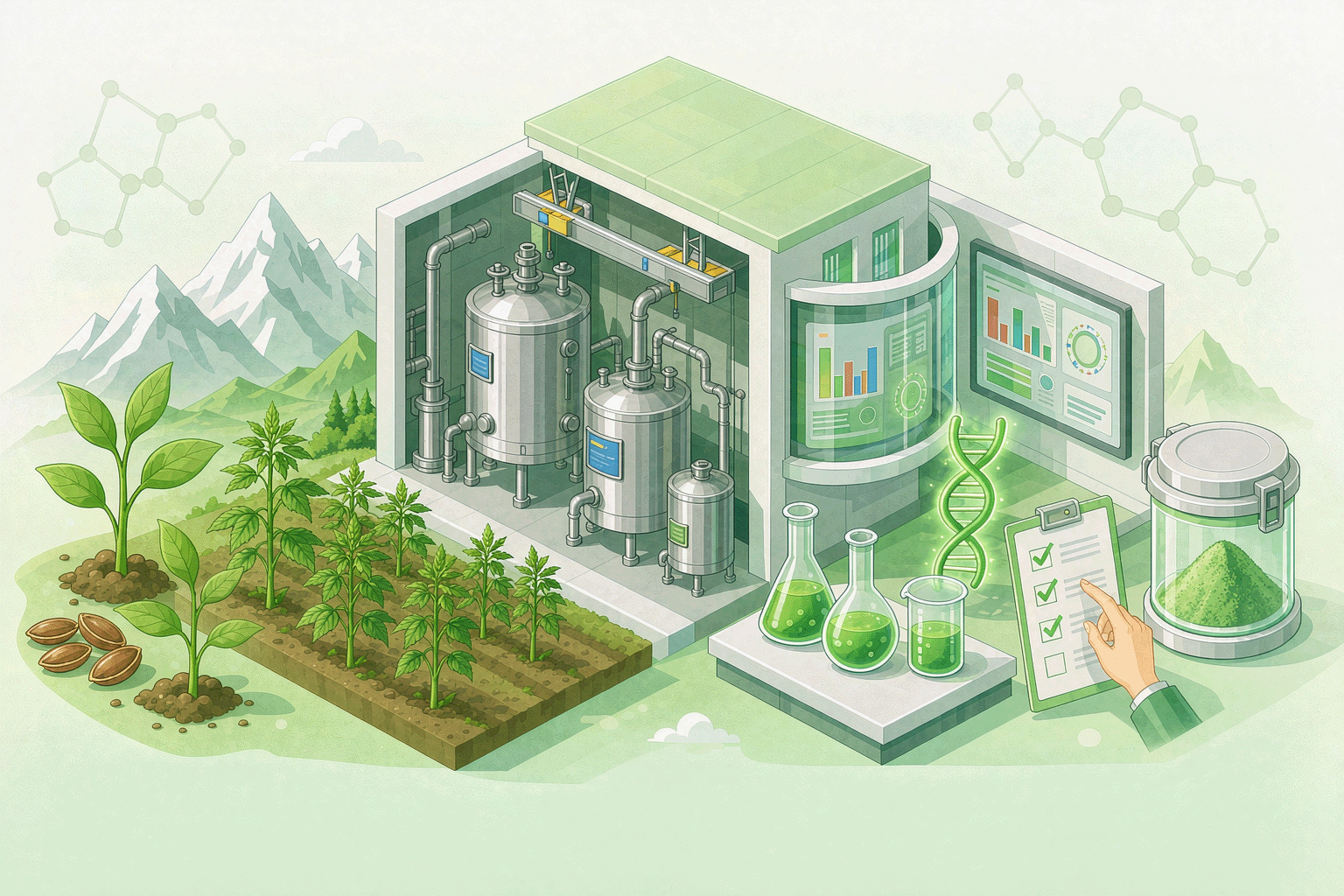
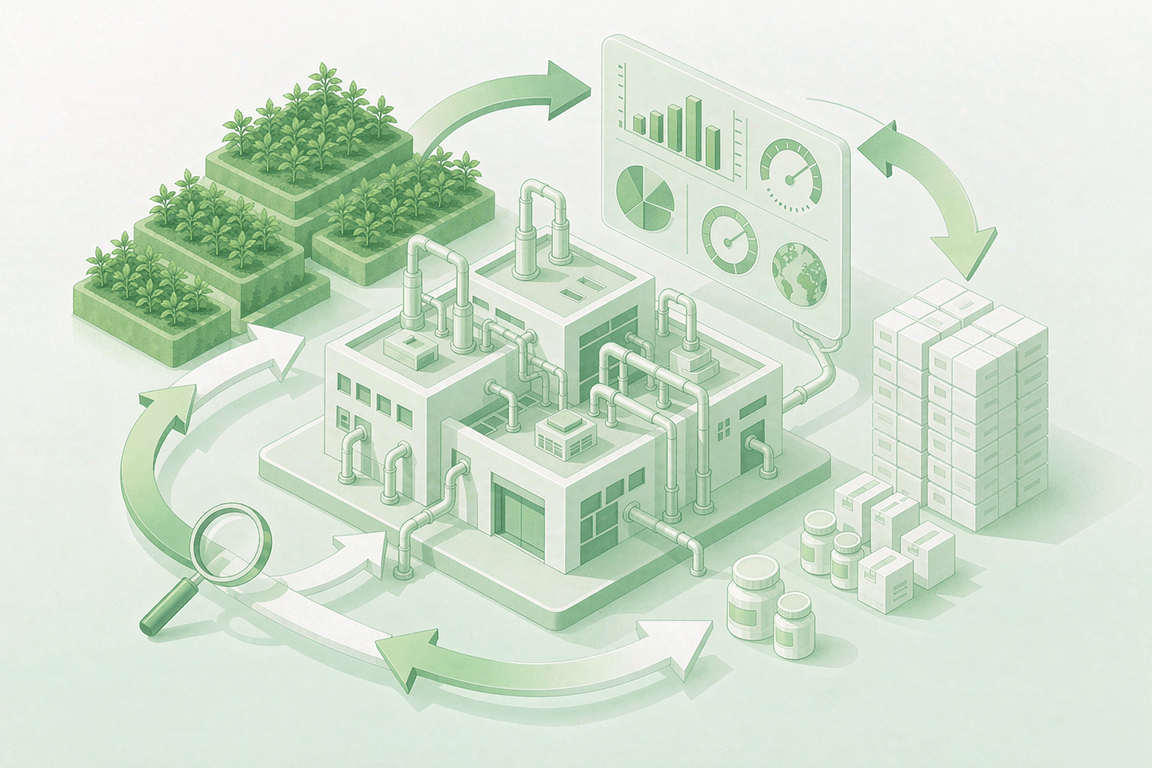
Second, consistency starts at the seed. The ratio of cannabinoids is not decided at the extraction plant — it is written into the variety's genetics. Chengzhi Hempmon Pharmaceutical owns proprietary industrial hemp varieties, "Hempmon 1–6", with the cannabinoid profile optimized from the seed end; the core indicator, CBD content, is more than 10× higher than mainstream domestic varieties. Combined with fully traceable cultivation management and a factory designed and built to international pharmaceutical GMP standards and the BRC system, that is what guarantees consistency and stability of the raw material.
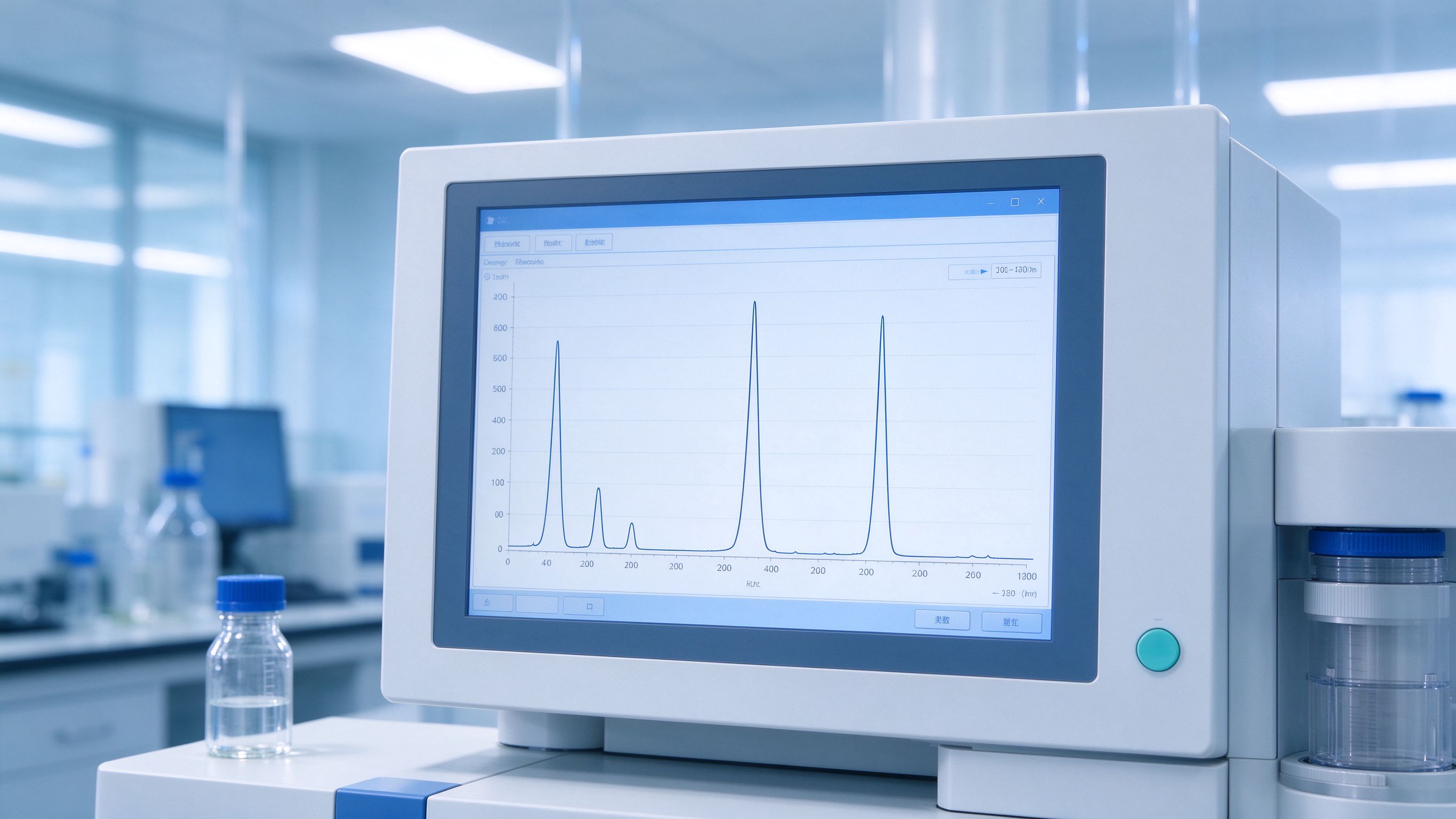
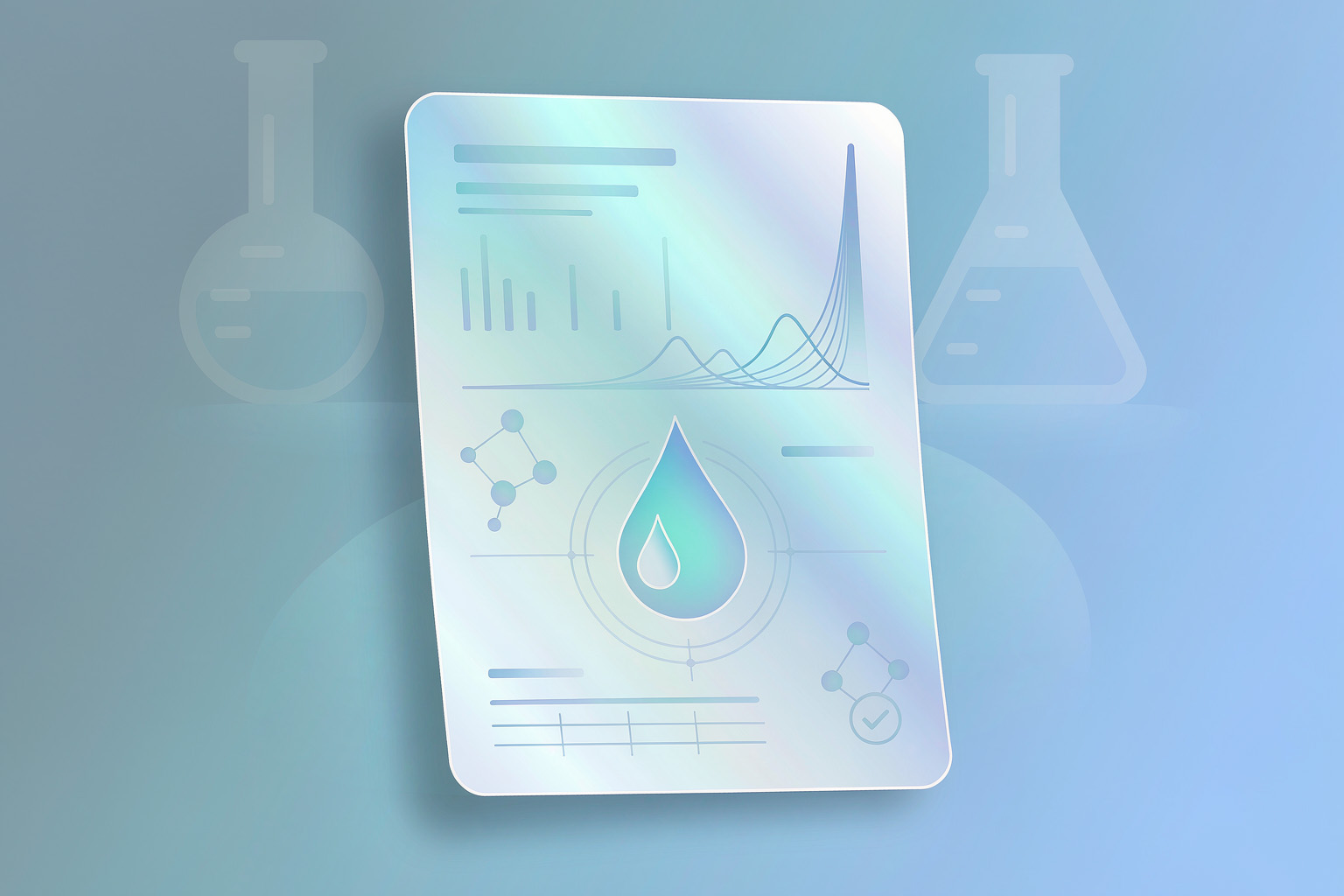
Third, it makes the COA easier to read. The "cannabinoid profile" section of a third-party test report lists values for CBD, CBG, CBDV, CBC and more. Think of it as the raw material's health check-up — the most direct reference in a sourcing decision. Once you can read that section, you can answer at least two questions: whether the main compound is high enough, and whether THC is within limits.
Fourth, it makes sourcing conversations smoother. If you can say clearly whether you want an isolate or a broad spectrum, and which compound values you care about, you and your supplier share a common language, and it is harder for jargon to throw you off.
A Word About Our Product Lines
Chengzhi Hempmon Pharmaceutical's main product line is CBD, and we also sell CBG material. Both come from our own cultivation base and our full-chain licensing system, traceable end to end from planting and extraction to testing. Besides CBD and CBG, we also master processes for low-THC CBD (THC <10 ppm), water-soluble CBD and broad-spectrum oil, with an annual cannabinoid material capacity of 120 tonnes. If you are sourcing CBD or CBG material for your products, come and talk to us with your product direction in mind — whether you want an isolate or a broad spectrum, and what your target market requires for THC, are the pieces of information that most directly shape our recommendation.
In Closing
Don't treat cannabinoids as a single ingredient — they are a whole family, with members that each have their own job and stay connected to one another. Once you understand the family tree, spectrum labels and COAs start to make sense, and you can judge for yourself whether to choose an isolate or a broad spectrum, and whether CBG or CBDV is worth trying — and you will know the right questions to ask when sourcing.
FAQ
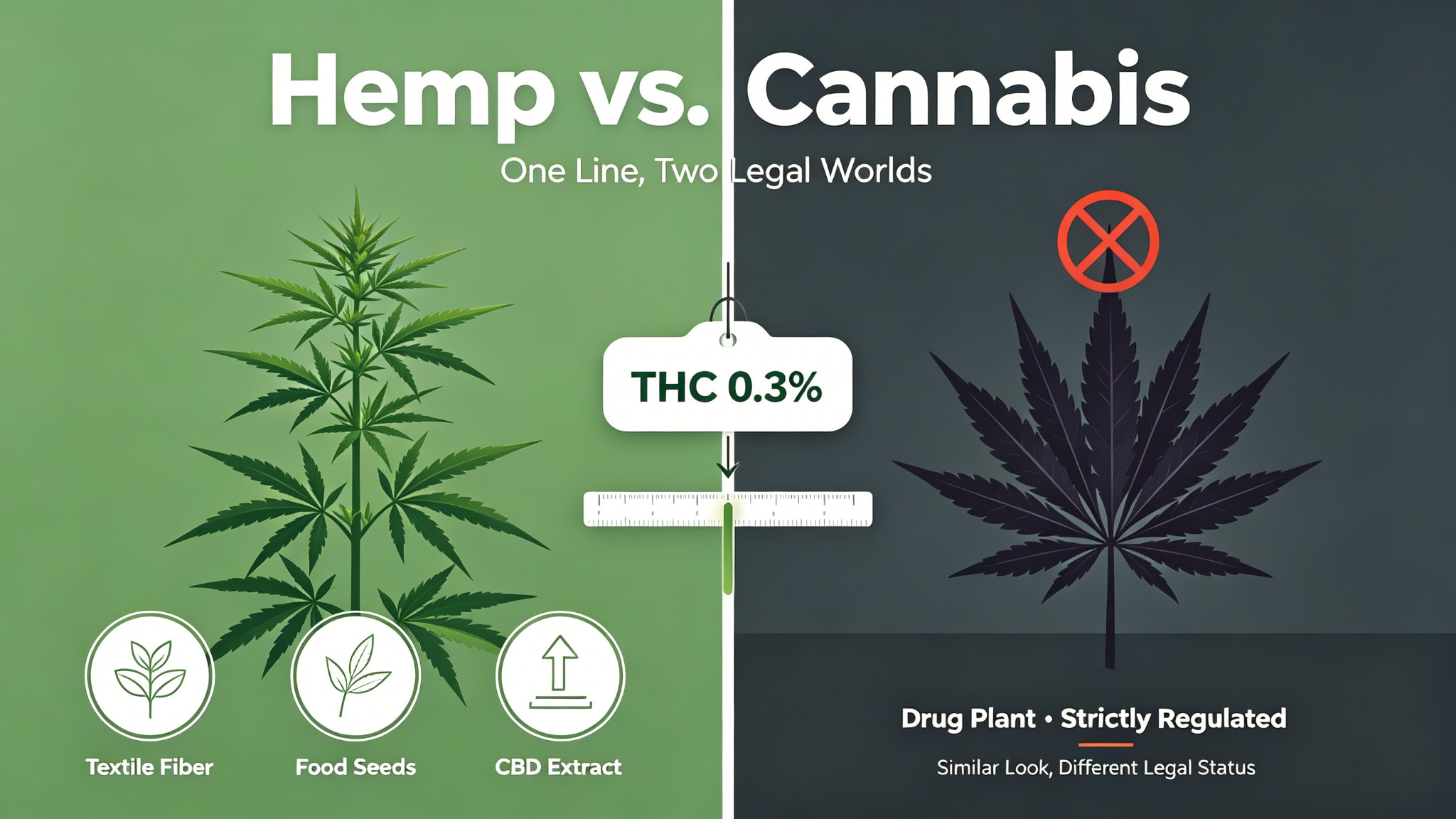
Q1: Are all cannabinoids psychoactive? No. THC is the main psychoactive compound; CBD, CBG, CBDV and CBC are not. Industrial hemp itself is legally defined by its low THC content (a commonly cited reference threshold is 0.3%; check local regulations for specifics).
Q2: Why is CBG rarer than CBD? Because CBGA is the common precursor of several cannabinoids, and most of it is converted in the plant into CBD, THC, CBC and others, leaving only a small natural share for CBG. On top of that, extraction is harder, so CBG material on the market is scarcer than CBD and costs more.
Q3: How do I know which cannabinoids are in the material I'm buying? Check the COA (Certificate of Analysis) issued by a third-party lab; the "cannabinoid profile" section lists the measured values for each compound.
Q4: What's the relationship between CBDV and CBD? They are structurally close relatives — CBDV has one shorter side chain than CBD — and CBDV is not psychoactive either. CBDV follows the propyl branch (precursor CBGVA), has low content in most varieties, is scarcer on the market than CBD, and most related research is still in early stages.
Q5: What cannabinoid materials does Chengzhi Hempmon Pharmaceutical offer? CBD is our main product line, and we also sell CBG material. We additionally offer regular CBD (CBD ≥99%, THC <0.1%), low-THC CBD (THC <10 ppm), water-soluble CBD and broad-spectrum oil, with an annual cannabinoid material capacity of 120 tonnes.
Q6: What product directions suit CBG material? Research on CBG is still at an early stage overall. Commonly discussed directions include skincare, oral care and mood-wellness products, but specific efficacy claims must follow local regulations and actual test results. When sourcing CBG, confirm purity, THC content and batch origin on the COA.